
Gold Coast Industry 4.0
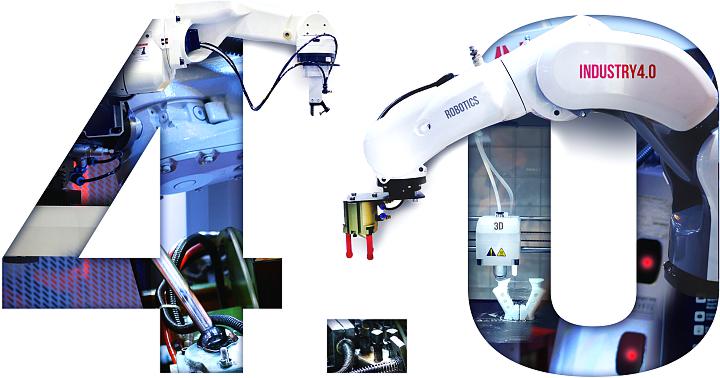
What is Industry 4.0?
The term 'Industry 4.0' (or fourth industrial revolution) was first coined in 2011 as Germany sought to increase competitiveness in their manufacturing sector. Industry 4.0 effectively describes the ongoing automation and digitization of supply chains, with reduced need for human intervention.
Today, the term is being applied to not just manufacturing but other sectors who use the following technologies to improve supply chain processes:
- Big data
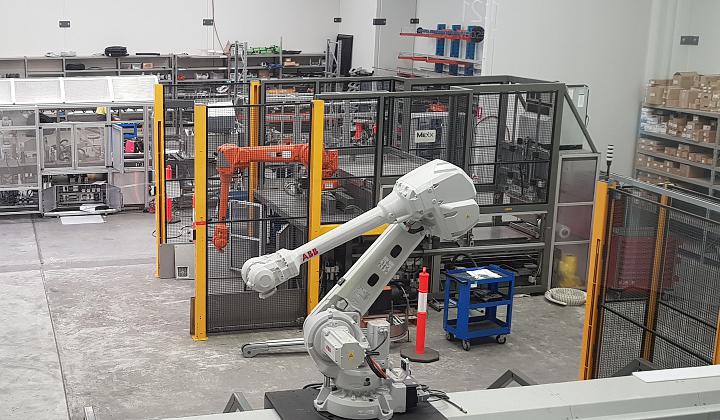
- Robotics / automation
- Cloud computing
- The Internet of Things
- 3D printing / additive manufacturing
- Artificial Intelligence
- Augmented / virtual reality
- Advanced / computer-assisted manufacturing
- Advanced design / 3D modelling
- Digital twin
- Machine to machine communications
- Sensor technologies
- Nanotechnology
- Blockchain.
Industry 4.0 presents generational opportunity to drive productivity, reduce repetitive and unsafe tasks in workplaces, build global digital supply chain networks and catalyze workforce transition.
Gold Coast Industry 4.0 Trade & Investment Project
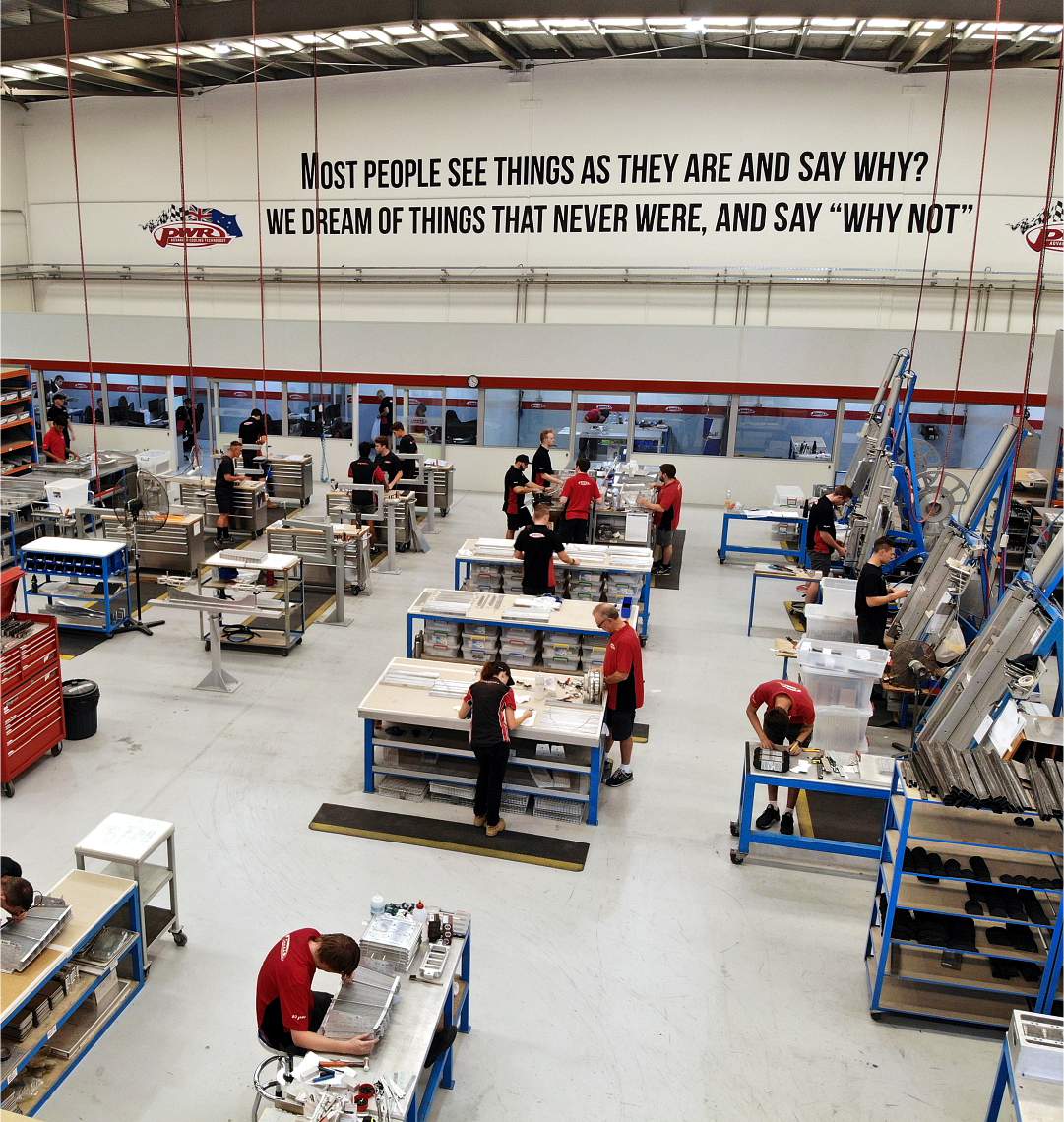
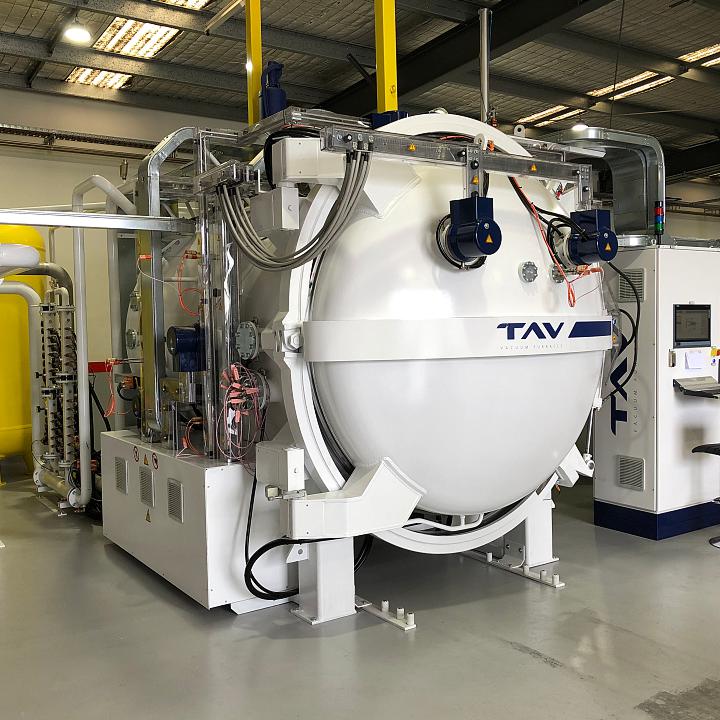
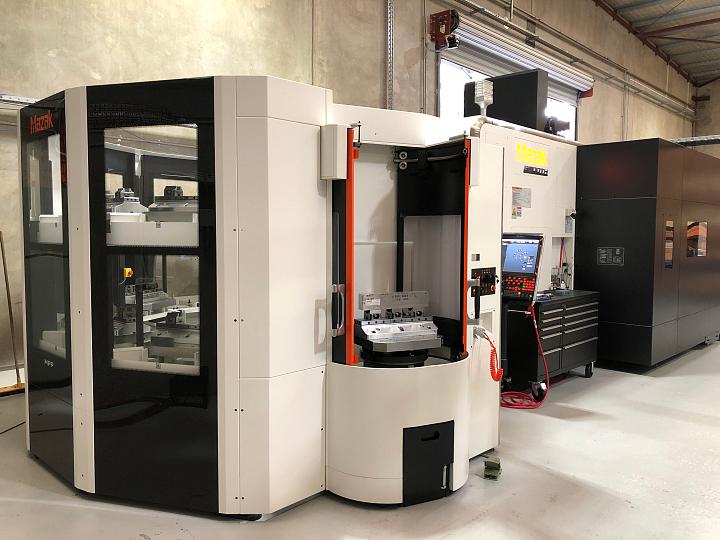
Commissioned in early 2020 prior to COVID-19, the Gold Coast Industry 4.0 Business and Investment Project has highlighted significant Industry 4.0 capability on the Gold Coast across a number of sectors including advanced manufacturing, health and medical technology, space and aerospace, textiles, additive manufacturing, food technology, sport and film.
In many cases this capability is developing in clusters where organisations are located within proximity to each other and are using similar advanced technologies in similar industries. It has also highlighted that different sectors are leveraging off advances made in one sector for the benefit of another.
Gold Coast Industry 4.0 businesses are committed to adopting new advanced technologies to increase productivity and there are growing connections between universities and industry to leverage Industry 4.0 capability.
Whilst the adoption of advanced technology was already well under way, COVID-19 has fast tracked its adoption and in turn, accelerated the need for a workforce with skill sets aligned with Industry 4.0. This has been demonstrated at a local and national scale.
COVID-19 has also led to an increased expectation of sovereign capability and supply chain independence and subsequently to an increased push to build maturity in the manufacturing sector.
Industry 4.0 adoption is critical to drive competitiveness and productivity. COVID-19 has catalysed this requirement and the opportunity exists to ensure that there is an appropriately trained workforce to meet these requirements, enable Industry to adopt best practice advanced technology adoption and build digital and physical supply chain connections.
Industry 4.0 presents generational opportunity to drive productivity, reduce repetitive and unsafe tasks in workplaces, build global digital supply chain networks and catalyse workforce transition.
Industry 4.0 is being used to drive the following outcomes:
- Maintaining competitiveness in a global marketplace
- Improving business productivity
- Accessing new markets (i.e. domestic and international)
- Creating new markets for business and by business (e.g. 3D printing)
- New product and service development and delivery
- Improving business communication channels (e.g. face to face and virtual)
- Accessing supply chain capability (e.g. business operations, logistical partnerships, research and development partnerships)
Download Project Reports

Gold Coast Industry 4.0 Business & Investment Report

Gold Coast Industry 4.0 Business & Investment Profile

Executive Summary
Funding for Industry 4.0
Grants for Innovation
Transforming Qld Manufacturing Grants Program

Manufacturing Sustainability Benchmark Program

Future Made in Australia Innovation Fund

Contact Us
RDA Gold Coast
Level 9, Seabank Building
12-14 Marine Parade,
Southport Qld 4215
Estella Rodighiero
Director of Regional Development
0411 558 834
Subscribe
Subscribe to RDA Gold Coast's mailing list and receive our e-Bulletins and eco-Bulletins.
Letters of Support
Is your Gold Coast organisation applying for a funding grant? You can request a letter of support from RDA Gold Coast.
Acknowledgement
RDA Gold Coast acknowledge and pay respects to the people of the Yugambeh language region of the Gold Coast and all their descendants both past and present.